
In today’s skincare market, consumers want products that are safe, transparent, and aligned with a healthier lifestyle 🌿. That is why the conversation around natural soaps versus commercial soaps has become more important than ever.
Both types of soap are designed to cleanse the skin, but the way they are made, the ingredients they contain, and the way they affect the skin are often very different. For brands in the beauty and personal care space, this is not just a product comparison—it is a matter of quality, trust, and long-term customer loyalty 🤝.
This article takes a professional and investigative look at what separates natural soaps from commercial soaps, and why more consumers are making the switch.
🧪 What Makes Soap Different?
At the most basic level, soap is made through a process called saponification, where oils or fats react with an alkaline ingredient to create soap. However, not all soaps are created with the same care or intention.
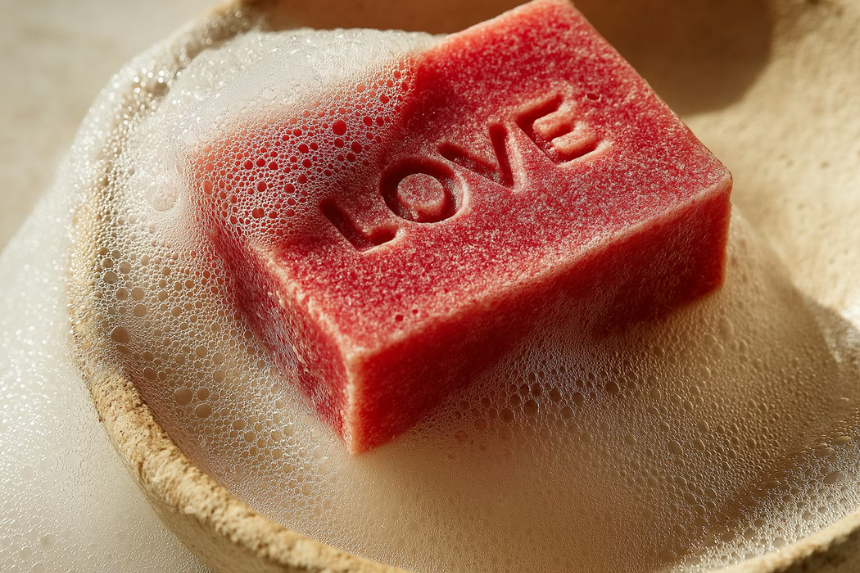
Natural soaps are usually made with plant-based oils such as olive oil, coconut oil, and shea butter 🥥. These soaps often retain natural glycerin, a valuable moisturizing component that helps keep the skin soft and hydrated.
Commercial soaps, by contrast, are often mass-produced using synthetic detergents and chemical additives. In many cases, glycerin is removed during manufacturing and used in other skincare products, leaving the soap bar less nourishing for the skin.
🔍 A Closer Look at the Ingredients
One of the clearest differences between natural and commercial soaps is the ingredient list. And let’s be honest, if the label reads like a chemistry exam, your skin may already be nervous.
Natural soaps commonly include:
- 🌿 Plant oils and butters
- 🌸 Essential oils for fragrance
- 🍯 Oatmeal, herbs, and botanical extracts
- 🪨 Natural clays and mineral-based colorants
- 🖤 Charcoal, turmeric, or other earth-derived ingredients
Commercial soaps often contain:
- ⚗️ Synthetic detergents
- 💨 Artificial fragrances
- 🎨 Artificial dyes
- 🧴 Preservatives and stabilizers
- 🏭 Petrochemical-based compounds
While commercial formulas are designed for consistency, shelf life, and heavy lather, they may not always support the skin’s natural balance.
💧 How Your Skin Responds
The skin has a natural protective layer known as the acid mantle. This barrier helps maintain hydration and protects against irritation and environmental stress. Harsh soaps can strip away natural oils, leaving skin dry, tight, or sensitive.
Natural soaps are often preferred because they cleanse gently while preserving moisture. Thanks to retained glycerin and nourishing oils, they are usually better suited for people with dry or sensitive skin 💙.
Commercial soaps may provide a strong “squeaky clean” feeling, but that effect can come at a cost. Over time, repeated use of harsh ingredients may lead to skin irritation and imbalance.
🌍 The Environmental Factor
More consumers are paying attention not only to what goes on their skin, but also to what goes into the environment. Natural soaps often appeal to eco-conscious buyers because they are typically made with biodegradable ingredients and packaged with less plastic ♻️.
Many natural soap brands also focus on small-batch production, ethical sourcing, and reduced environmental impact. Commercial soap production, while efficient on a large scale, often relies on industrial processing and heavier packaging waste.
🏷️ What This Means for Brands
For skincare and soap brands, the difference between natural and commercial products goes far beyond marketing language. Today’s customers want honesty, ingredient transparency, and a clear brand philosophy.
Brands that offer natural soaps are often seen as more thoughtful, more sustainable, and more aligned with skin wellness ✨. They are not simply selling a cleansing bar, they are offering a lifestyle choice that reflects care, simplicity, and responsibility.
Commercial brands still dominate many retail shelves, but consumer expectations are changing. The demand is shifting toward products that combine effectiveness with authenticity.
✅ Final Thought
Natural soaps and commercial soaps may look similar at first glance, but the difference becomes clear in their ingredients, skin feel, and long-term value. One is often built around mass production and performance metrics, while the other is centered on nourishment, simplicity, and trust.
In the end, your skin knows the difference.